
Terminating GamStop Status and Safe Self-Exclusion Expiry Steps
 Available in GB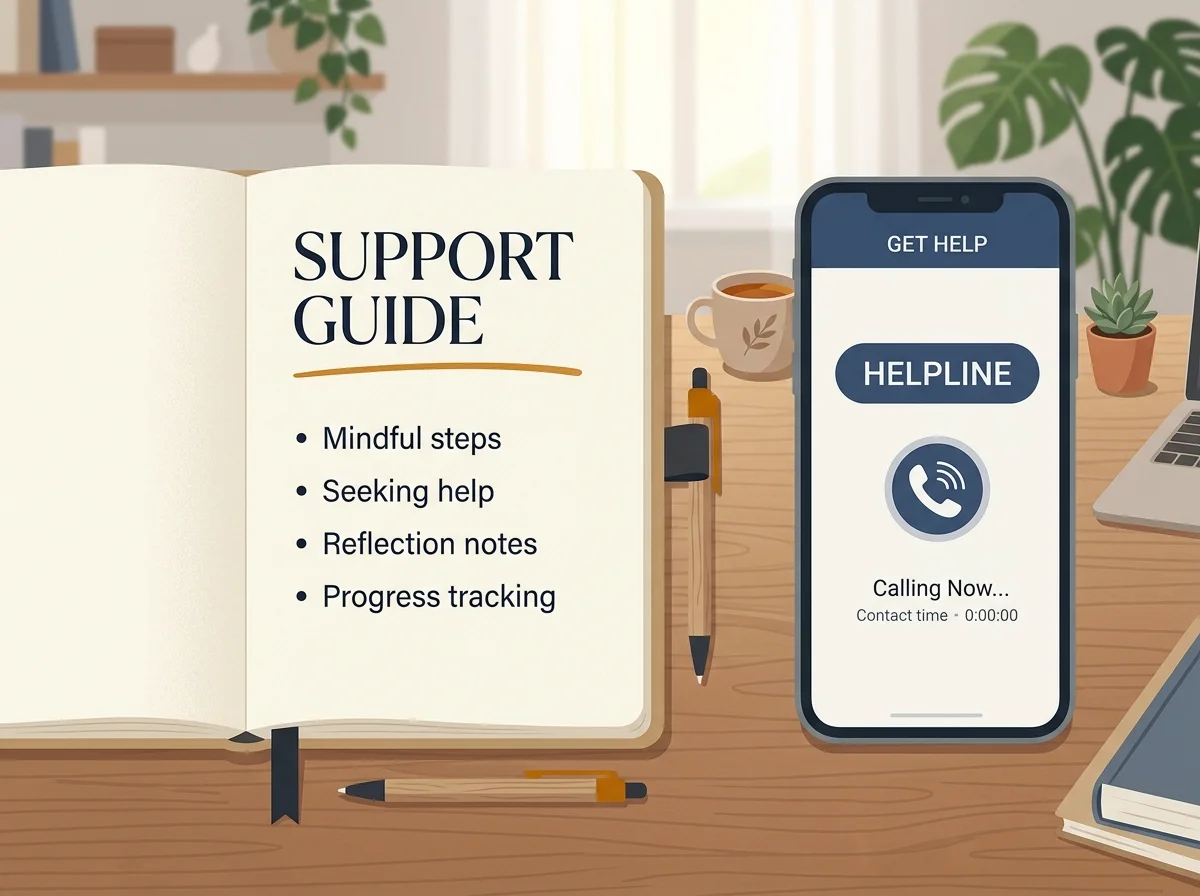
The clearest answer comes first. There is no early cancellation route for a GamStop self-exclusion. The scheme is built so the registration cannot be reversed inside the period the user chose at sign-up. The only removal step is a phone call after the minimum period ends, followed by a mandatory 24-hour cooling-off window.
This page sets out exactly what does and does not happen at each stage, including the auto-renewal mechanism that has caught a growing number of legacy registrants. It also lays out the responsible-gambling tools available to a person who is struggling during an active exclusion period, because that is the situation in which most cancellation searches originate.
Table of Contents
- Fixed Self-Exclusion Duration Rules and Minimum Statutory Status
- Our top casino picks for the UK
- What happens at the end of the exclusion period
- The auto-renewal route and the legacy-extension question
- This is not the page that lists offshore workarounds
- Tools that work during an active exclusion period
- What the research says about bypassing self-exclusion
- If you are looking for a way around an active exclusion
- Reading the search rather than chasing it
- About the author
Fixed Self-Exclusion Duration Rules and Minimum Statutory Status
GamStop is deliberately not reversible inside its own duration. The reason is straightforward: most people register during a difficult moment, and the value of the tool depends on it being out of reach once the difficult moment passes and the impulse returns.
A scheme that allowed reversal at any time would be no different from any operator-level cooling-off period that could be turned off again the next day. The clinical and behavioural evidence base, which fed into the Gambling Commission’s decision to make multi-operator self-exclusion a licence condition for all UKGC remote operators in 2020, points to fixed periods producing materially better outcomes than reversible ones.
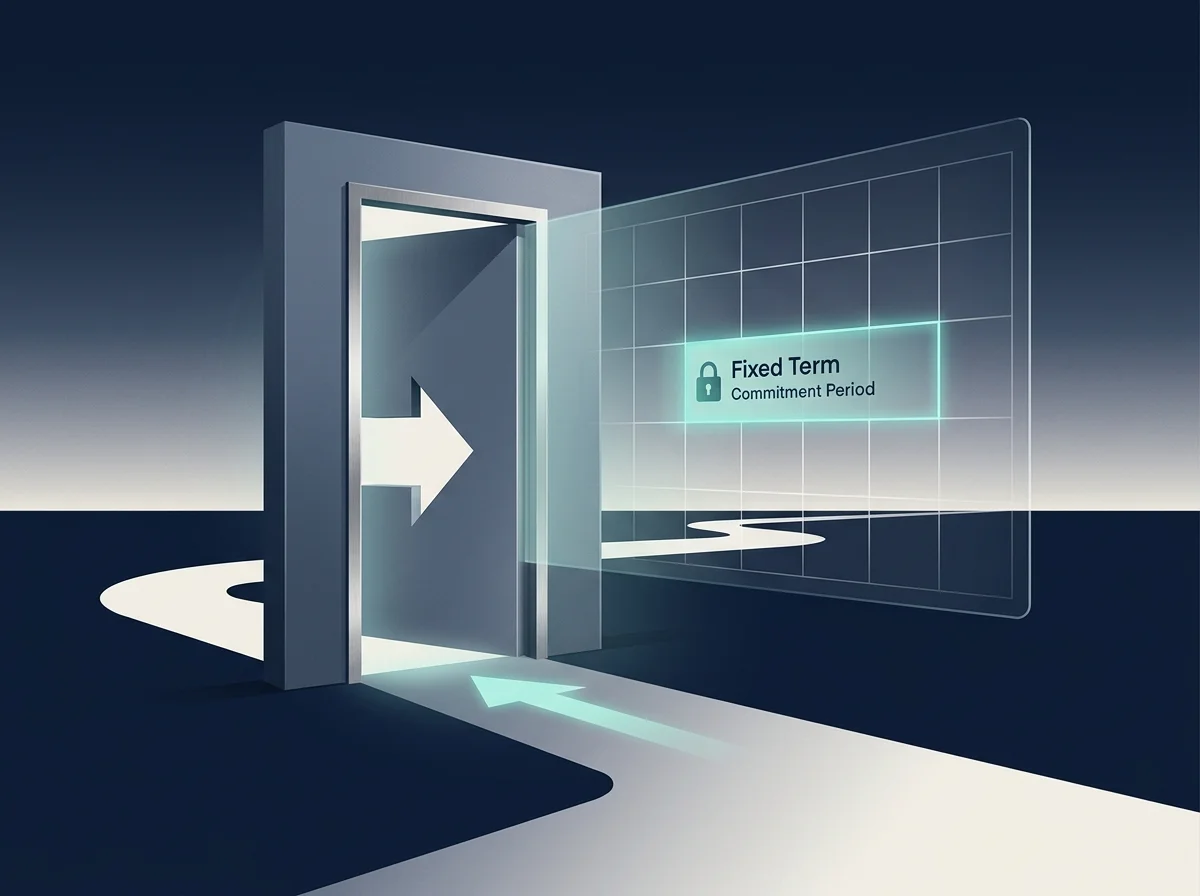
The result is a strict rule. If a user selected six months at sign-up, six months is the soonest they can be removed. The same applies to one year and to five years. There is no appeal process, no operator-level workaround inside the licensed market, no way to shorten the period by contacting an individual gambling site, and no exception for users who later argue the registration was a mistake. The scheme treats those circumstances as exactly the reason the registration needs to stand.
Our top casino picks for the UK
- x3betBonus: Welcome Pack 100% Up to £1.000 + 200 Free Spins · Payout speed: 1-3 business days
- EvoSpinBonus: 125% up to €2500 + 125 Free Spins · Payout speed: 1-3 business days
- SpinFormulaBonus: 550% Up To £15,000 + 550 FS · Payout speed: 1-3 business days
- ChanzeBonus: Slots Welcome Bonus #1 200% up to €500 · Payout speed: 1-3 business days
- WinBeastBonus: €5000 + 500 FS + €650 Freebet · Payout speed: 1-3 business days
- NightWinBonus: £900 + 400 free spins · Payout speed: 1-3 business days
- NightLuckBonus: Welcome Pack + 805% Up To 6400€ + 280 FS · Payout speed: 1-3 business days
- AmunbetBonus: Join now and get 450% up to 2,700 GBP + 450 FS · Payout speed: 1-3 business days
What happens at the end of the exclusion period
Reaching the expiry date does not automatically remove the user from the register. The system holds the registration open until the user takes positive action to remove it.
The removal route is a phone call to 0800 138 6518, the dedicated GamStop removal line. The call is free from UK landlines and mobiles and is answered during the scheme’s published hours.
The call handler verifies identity using the same personal information supplied at registration: full name, date of birth, current and previous addresses linked to gambling accounts, plus security questions. The verification step is intentionally thorough, because a successful removal lifts the block across every UKGC-licensed operator simultaneously.
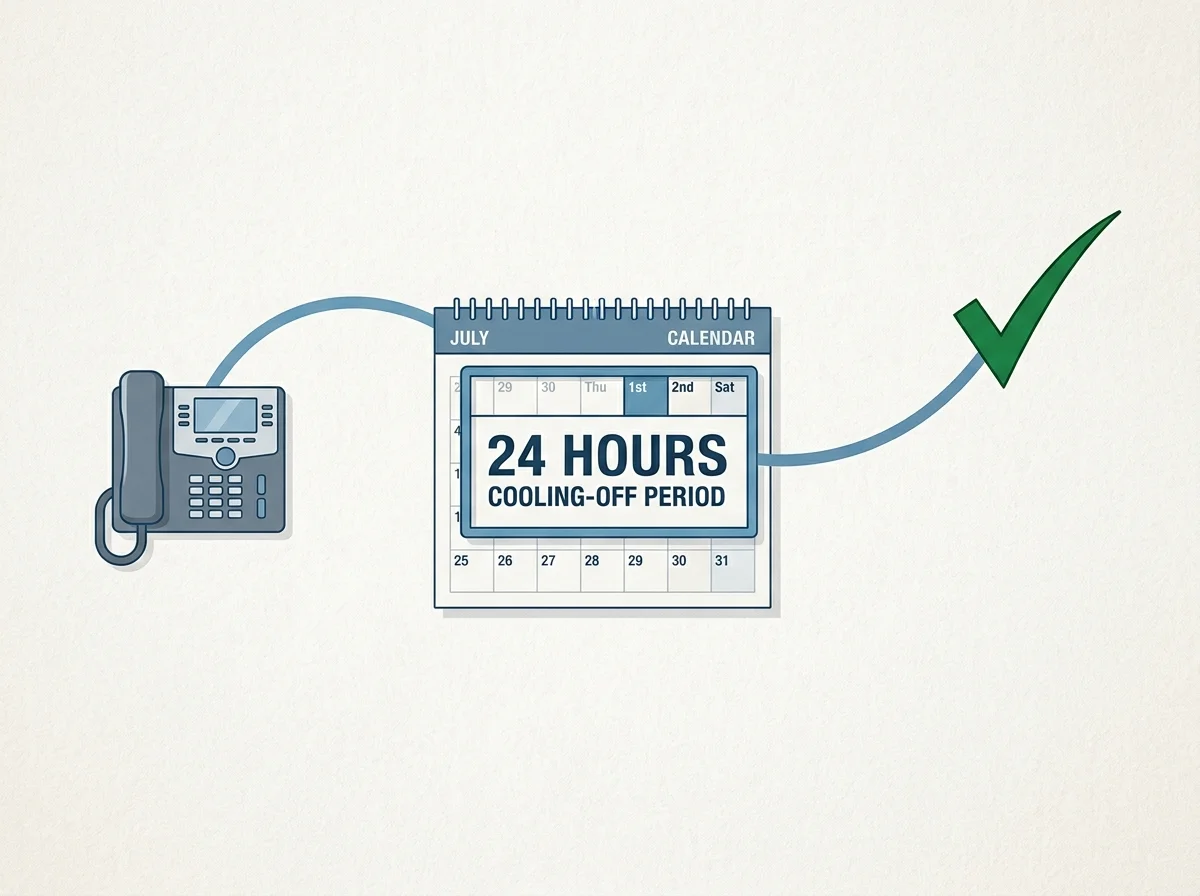
Once identity is confirmed and the user has stated they want the exclusion removed, a mandatory 24-hour cooling-off period begins. The exclusion remains fully active during those 24 hours. No accounts can be opened or reopened, and no deposits can be made on any UK-licensed site. If the user wants to withdraw the removal request inside the 24-hour window, they can simply do nothing or call back; the request lapses without effect.
After the 24 hours elapse without a withdrawal, the registration is lifted across the network. The user is again able to register or reactivate accounts with UKGC-licensed operators, subject to those operators’ own onboarding checks. The full mechanics of the scheme itself are covered on the page on how GamStop itself works.
The auto-renewal route and the legacy-extension question
One of the most common reasons a user discovers they are still excluded after the expected end date is that the registration has auto-renewed.
For legacy registrations, the scheme’s earlier default behaviour was to extend the exclusion if the user took no action at expiry. Sources discussing the legacy framework describe extensions running up to seven years where the registration simply rolled forward in the absence of any removal request. This was not a sneaky carry-over; it reflected the scheme’s underlying logic that the absence of an active removal request is itself a meaningful signal.
From 2024, that behaviour was made explicit and re-cast as a separate menu option. New registrants now see “five years with auto-renewal” as a distinct duration choice, sitting alongside the six-month, one-year and plain five-year options. If the user picks auto-renewal, the registration extends automatically for another five-year cycle at each expiry point, with no intervention from the user, unless they call the removal line and complete the 24-hour cooling-off process. 2025 marked the first month in which more than half of users selecting the five-year duration also took the auto-renewal option.
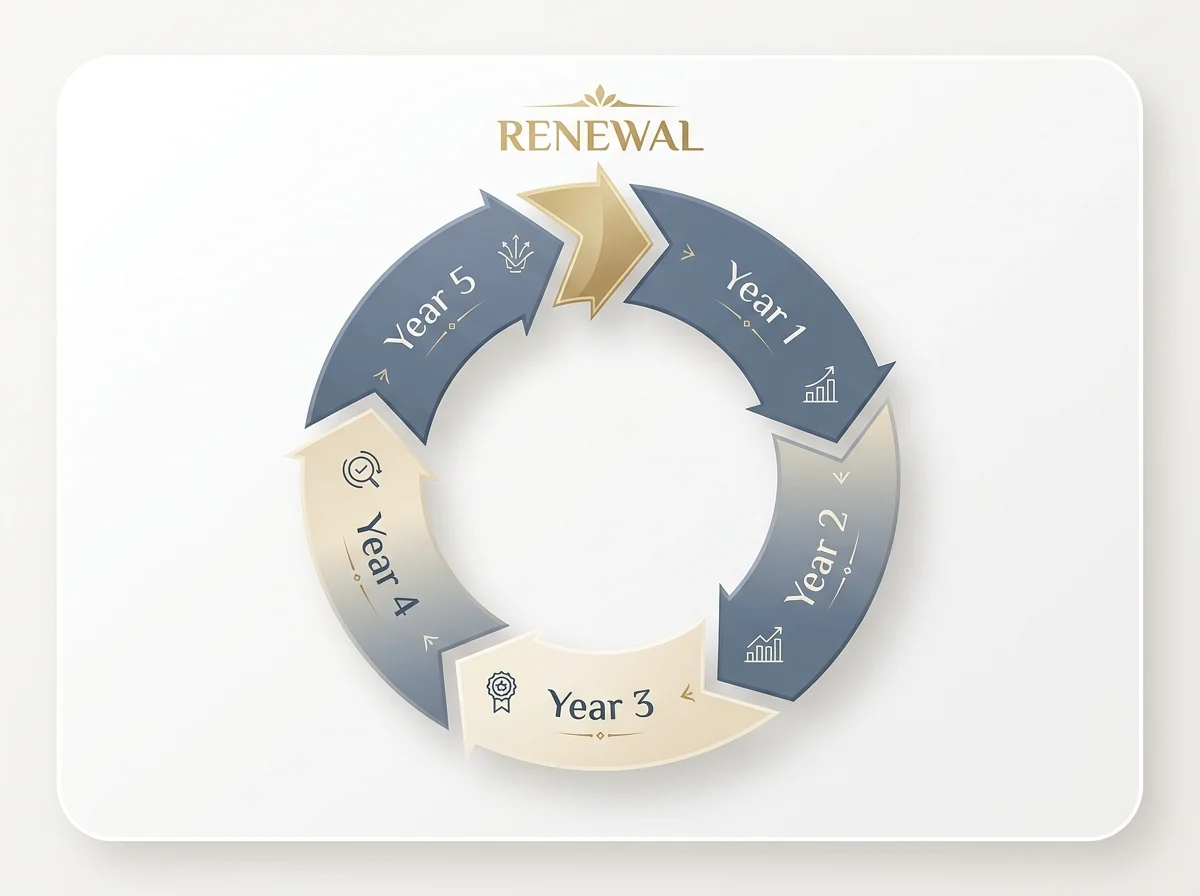
The practical effect is that a growing share of GamStop registrations functions as an indefinite block by design. That is a deliberate consumer-protection choice, not an accident. For users who want it, it removes the risk of the registration silently lapsing at a moment of weakness. For users who registered without realising the auto-renewal element applied to them, it can produce surprise at the next checkpoint.
There is no shortcut around an active auto-renewal. The removal procedure is the same: 0800 138 6518, identity verification, 24-hour cooling-off, then removal. The difference is only that the eligibility window is the end of the most recent five-year cycle, not the originally chosen duration.
This is not the page that lists offshore workarounds
People searching for “cancel GamStop” during an active exclusion are typically not looking for the expiry-day phone number. They are looking for a way to gamble again before the period ends. That route does not exist within the UK regulated system, and looking for it outside the system is the moment to pause.
The Gambling Commission’s own research on consumer migration to offshore sites links bypass of a self-exclusion with continued gambling harm. The same study series identifies avoidance of self-exclusion as one of the two recurring motives in the move to unlicensed operators. The page on the risk profile of casinos outside the scheme covers the structural differences in detail; the short version is that the protections the user registered into when they signed up for GamStop are exactly the protections the offshore route does not include.
The legal asymmetry is worth being clear about. A self-excluded UK player who deposits at a non-GamStop casino has not committed any offence under UK law. The criminal offence in Section 33 of the Gambling Act 2005 sits with the operator, not the player, and the detail of that sits under what UK law says about offshore casinos. But absence of an offence is not the same as absence of harm or absence of consequences. The whole reason someone registered for GamStop is the reason an offshore route is the wrong direction for that person.
Tools that work during an active exclusion period
The honest answer to “what do I do now” during an active exclusion is the toolset that pairs with GamStop rather than the offshore route. None of these tools requires waiting for an expiry date.
Device-level blocking with Gamban
Gamban is the device-level blocker most commonly recommended alongside GamStop in the UK. It runs on phones, tablets and computers, blocking access to gambling-related domains at the device level regardless of where the operator is licensed. That extends the protection across the offshore line that GamStop cannot cross on its own.
The standard subscription is £24.99 per year. Through the TalkBanStop campaign run jointly with GamCare, Gamban is provided free of charge to anyone in financial hardship who is also in contact with GamCare support services. Studies of the TalkBanStop pairing report markedly higher long-term abstinence rates than GamStop alone.
Bank-level gambling-transaction blocks
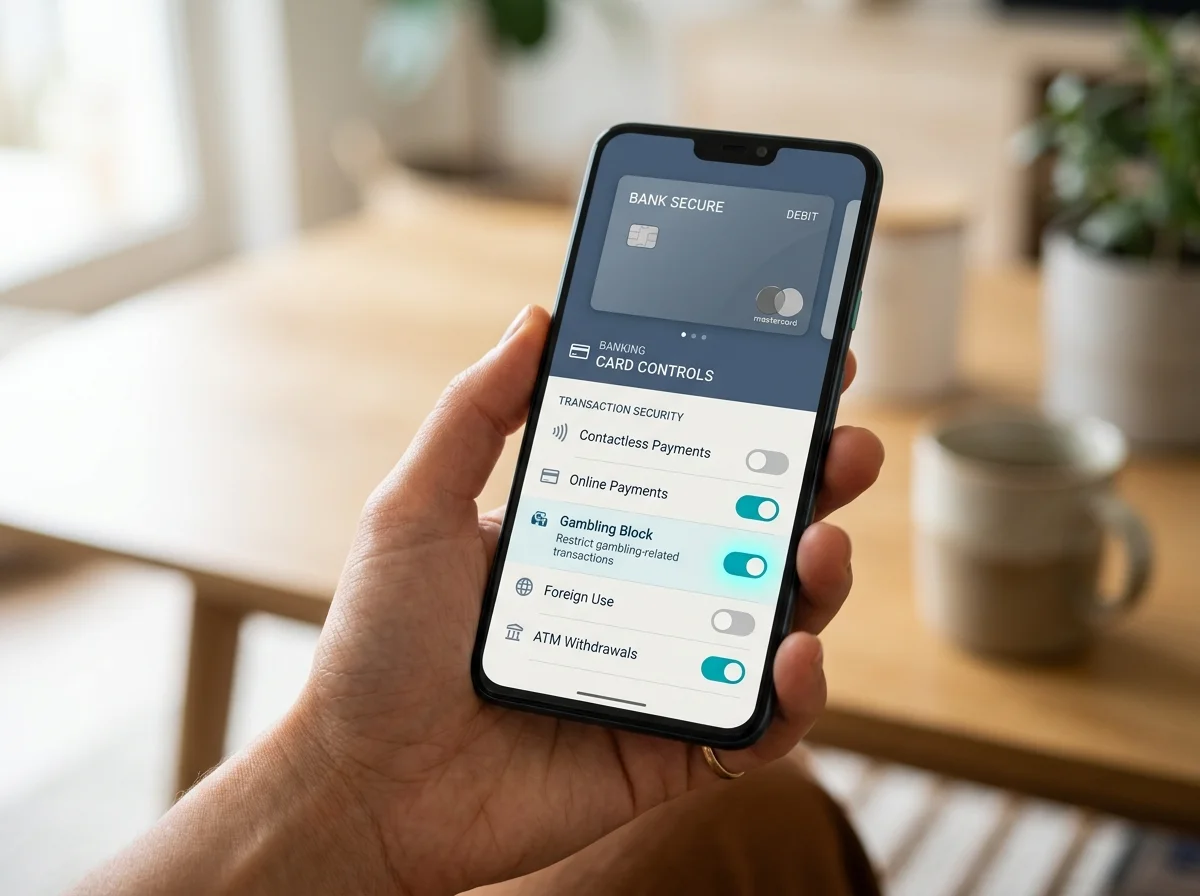
Most UK retail banks now offer a one-tap toggle inside their mobile app that blocks card transactions to merchants coded as gambling under Merchant Category Code 7995. The block is free and reversible, and on most platforms the toggle includes its own friction layer: a delay or confirmation step before transactions are unblocked again.
The banks that publish a gambling-block toggle for UK accounts include HSBC, Barclays, NatWest, Monzo, Revolut, Lloyds, first direct and Halifax. The block applies to UK-issued cards and works regardless of where the merchant is located, including most offshore casinos that route payments through Visa or Mastercard rails.
Counselling and clinical support
The National Gambling Helpline runs on 0808 8020 133 and is free, confidential and available 24 hours a day. The line is operated by GamCare, which also provides one-to-one counselling, group sessions and online self-help tools at gamcare.org.uk.
For clinical care, the NHS National Gambling Treatment Service operates specialist clinics that have grown from the original National Problem Gambling Clinic in London and the Northern Gambling Service in Leeds into a wider network across the United Kingdom. Referrals can be made through a GP, through GamCare, or self-referral via the NHS gambling support pages.
Gamblers Anonymous UK offers peer-support groups that meet across the country and online. The Samaritans line, on 116 123, is the appropriate route for general emotional distress that is not specifically gambling-related but is connected to it.
What the research says about bypassing self-exclusion
The Gambling Commission has been steadily expanding its research base on the unlicensed market. A four-part series published through 2025 focused specifically on consumer behaviour in the illegal gambling market, including the population that bypasses self-exclusion. The recurring finding is that bypass behaviour is associated with continued harm rather than recovery, and that the offshore environment lacks the consumer-protection mechanisms that would otherwise interrupt that pattern.
Independent evaluation of GamStop itself, conducted by Ipsos and published in 2024, found that 75 per cent of users reported they no longer gambled online during their exclusion. The 25 per cent gap is the population that either reaccessed UK-licensed sites through identity-related loopholes or migrated to offshore operators. The Commission’s own longer-term analysis of effectiveness puts the proportion of users who remain successfully excluded over time at around 43 per cent, with the gap closing markedly when GamStop is paired with Gamban under TalkBanStop.
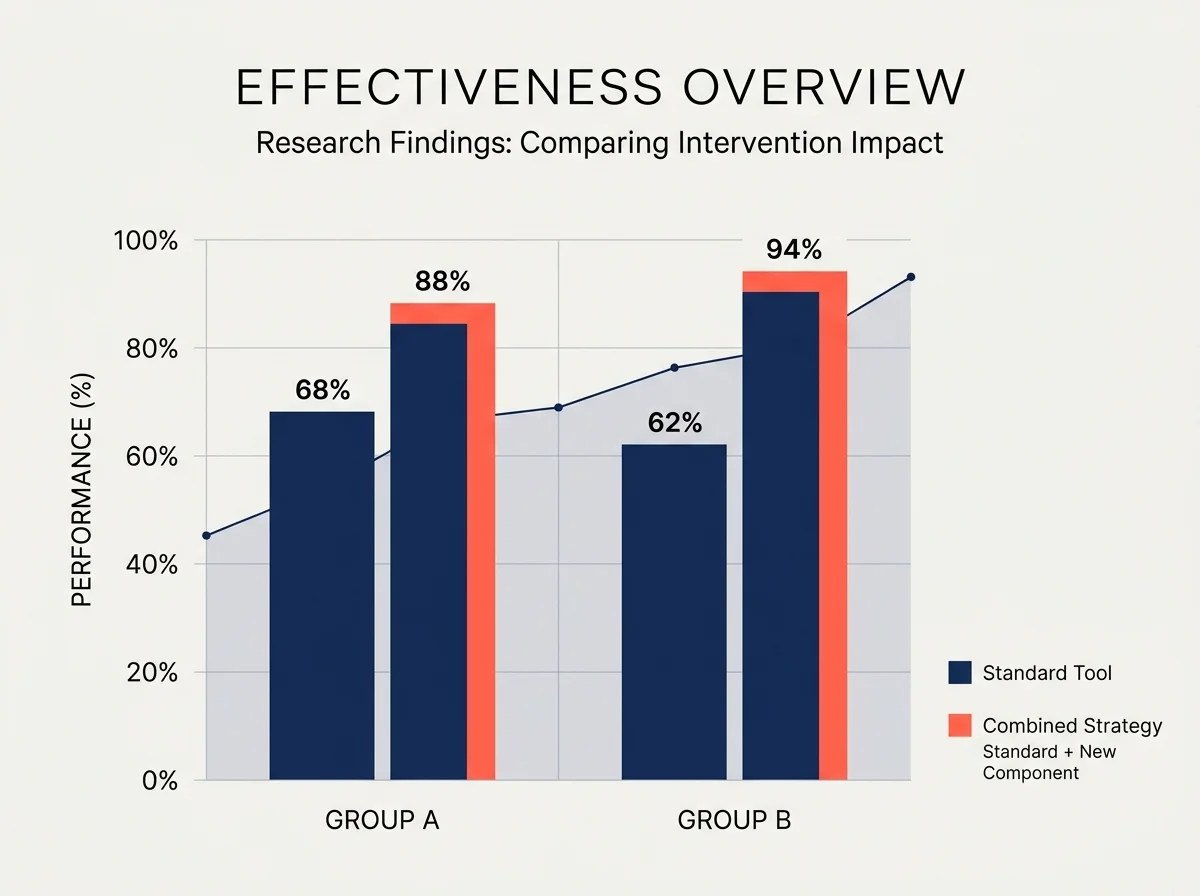
The honest reading is that GamStop is a strong tool for the population it was designed for, but it works best when reinforced. The conclusion most relevant to anyone reading this page is that the search itself is a useful signal: a self-excluded player searching for cancellation is in exactly the moment the scheme exists to protect against.
If you are looking for a way around an active exclusion
That search itself is the signal the scheme is designed to catch. UK support is free, confidential, and available right now. Pausing to make one of these contacts before any deposit decision is the single highest-value step.
- National Gambling Helpline: 0808 8020 133 (free, 24/7, run by GamCare)
- BeGambleAware live chat: begambleaware.org
- NHS National Gambling Treatment Service: nhs.uk gambling addiction support
- GAMSTOP: gamstop.co.uk
- Samaritans (general emotional distress): 116 123
Reading the search rather than chasing it
Cancellation is not the question a self-excluded player needs the answer to. The question is what kind of support to put in place during the period that remains. The cancellation route, when it eventually becomes available, is a brief and entirely administrative process: a free phone call, an identity check, and a 24-hour cooling-off period. There is nothing more to it.
What sits behind the search, on the other hand, is worth paying attention to. The offshore environment has none of the protections the user registered for, and the search-engine results that surround a “cancel GamStop” query do not reliably make that visible. The companion pages on this site cover the legal asymmetry and the operator-side picture in the depth needed to make an informed decision later, when the exclusion period actually ends.
About the author
Daniel Ashworth covers UK iGaming regulation, self-exclusion frameworks and the offshore operator landscape that sits outside the Gambling Commission perimeter. With over twelve years analysing licensed and non-UK gambling markets, he writes about the practical impact of tools like GamStop, affordability checks and KYC requirements on British players. His work focuses on how licensing jurisdiction, payment infrastructure and consumer-protection regimes shape the real-world experience of using a casino outside the UK system. He holds certifications in responsible gambling practice and has contributed analysis to research on multi-operator self-exclusion schemes.