International Offshore Gambling Licences and Jurisdiction Reviews
 Available in GB
A UK player looking at a non-GamStop casino has typically already crossed a single regulatory line: out of the UK Gambling Commission perimeter, into a smaller and less familiar set of offshore frameworks. This page maps the five licensing regimes a UK player will actually encounter in 2026 and shows how to verify a licence in under a minute. For the operator-landscape overview above this detail, see the broader operator picture.
Before depositing money at a platform governed by an overseas regulator, it is important to verify the UK legal status of playing at non-GamStop sites.
Table of Contents
- Curacao Regulatory Policy and the Updated OGL Licensing Rules
- Anjouan (Union of Comoros)
- Kahnawake and Costa Rica
- Malta Gaming Authority (MGA)
- Side-by-side: what each licence delivers
- Verifying a licence in under a minute
- If reading licences is a stress signal
- How licensing interacts with payments and risk
- Our top casino picks for the UK
- The licence is a floor, not a ceiling
- About the author
Curacao Regulatory Policy and the Updated OGL Licensing Rules
Curacao is by far the most common licence for casinos serving the UK from outside the GamStop ring. The framework changed materially in 2024.
Until 2024, Curacao operated a two-tier system: four master licensees (identified by the numbers 1668/JAZ, 5536/JAZ, 8048/JAZ and 365/JAZ) each issued sub-licences to operators. The legal status of sub-licensees was contested; oversight was light; and the public register was difficult for a player to search reliably.
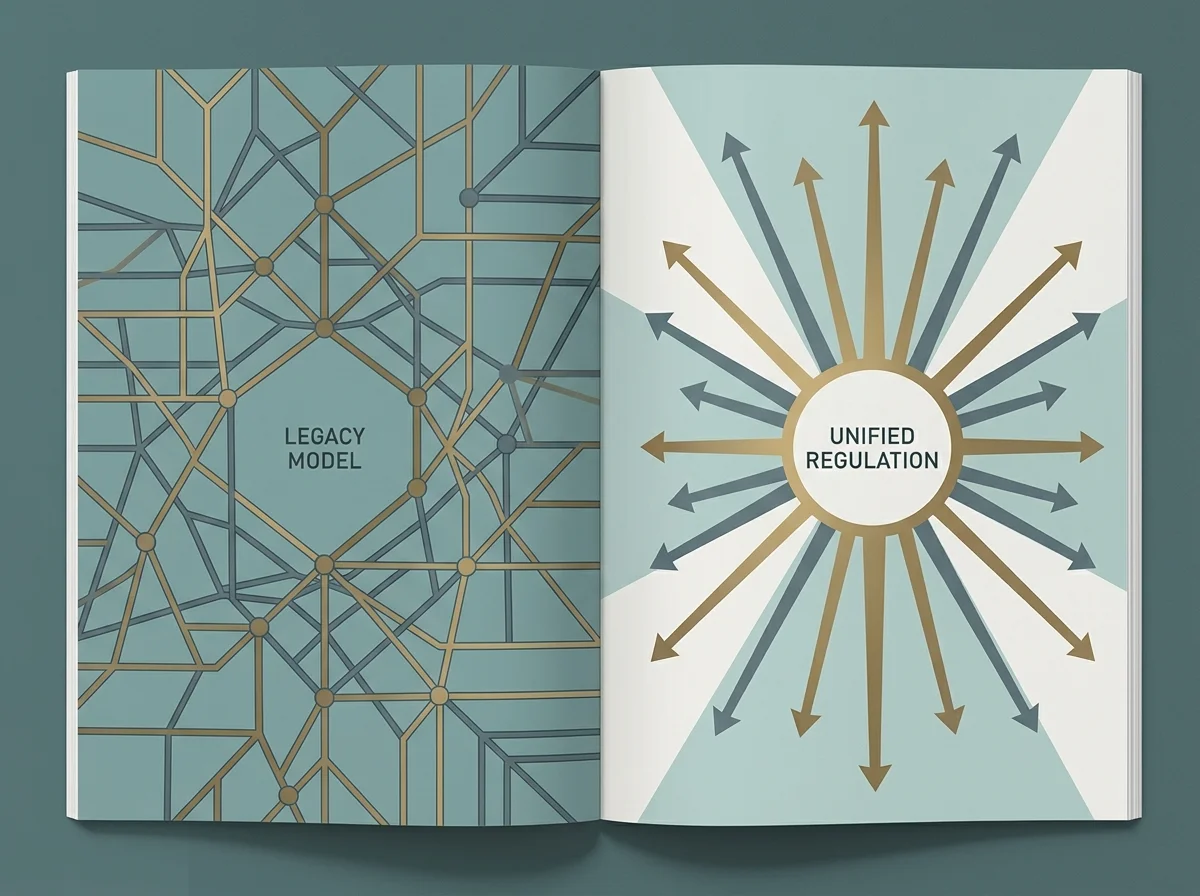
The National Ordinance on Games of Chance (LOK 2023), enacted in 2024, replaced that model. A single regulator, the Curacao Gaming Authority (operationally branded the Curacao Gaming Control Board), now issues direct licences in the OGL/YYYY/NNNN/MMMM format. New requirements include segregated player funds, certified random number generation, SSL encryption, AML/KYC procedures, mandatory dispute mediation through the regulator, mandatory complaints procedures and a local presence in Curacao.
What that framework does not deliver: no IBAS-style independent arbitration, no insolvency-compensation scheme, no GamStop-style cross-operator self-exclusion enforcement. A Curacao licence is meaningful as a regulatory anchor; it is not equivalent to a UKGC licence.
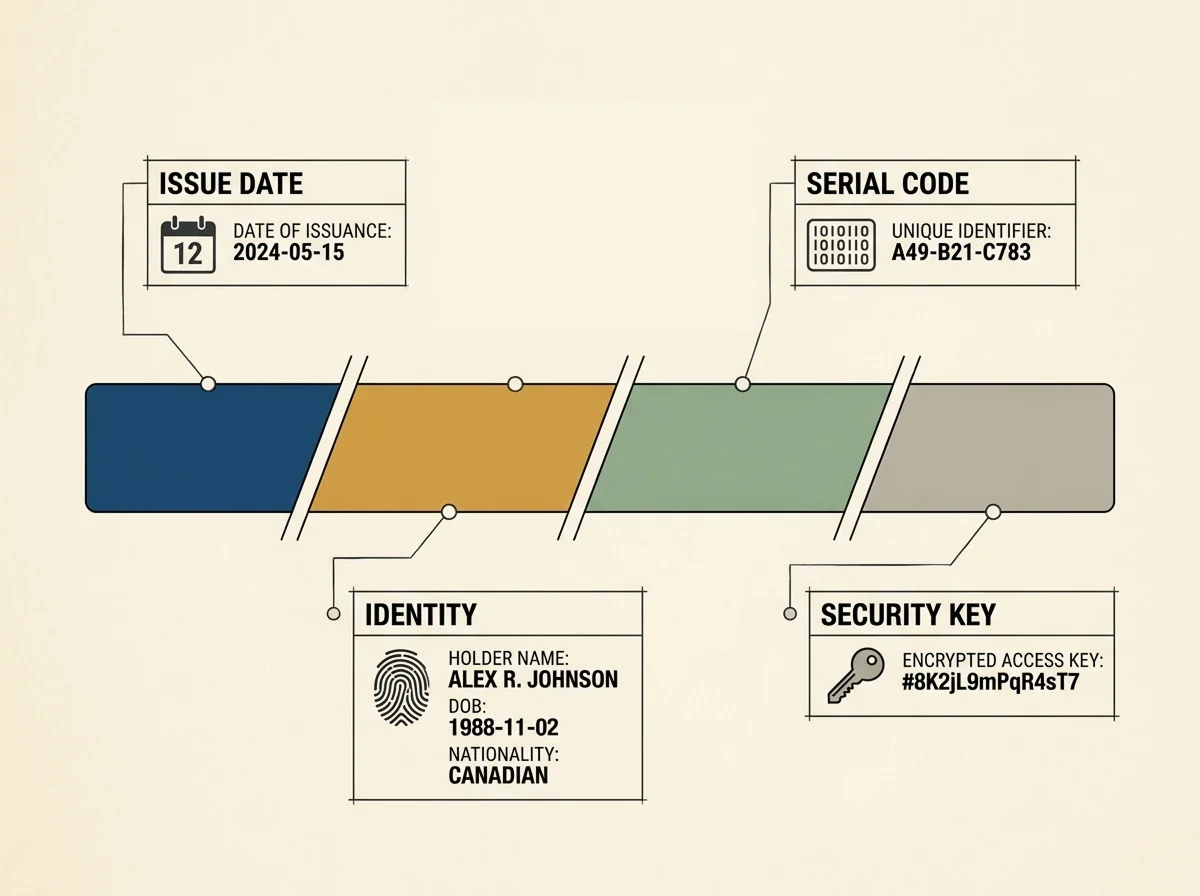
Reading a Curacao OGL licence number
Worked example
JackBit, which rebranded to Jack.com in mid-2026, is operated by Ryker B.V. (Curacao company number 154186) under licence number OGL/2024/1800/1049. The licence is verifiable in the Curacao Gaming Control Board public register and reads as “active” with a grant date of 2024. Older affiliate reviews of JackBit (pre-2024) cite an Anjouan ALSI- reference; the current verifiable licence is the Curacao OGL number. The rebrand event in 2026 means reputation history under the JackBit brand does not automatically carry forward to the Jack.com brand even though the operating company and licence are unchanged.
What the new framework changes for the player
The 2024 reform did three practical things for a UK player attempting to read the licence. It put a single regulator behind the licence rather than a chain of master and sub-licensees. It introduced a public register entry that returns operator name, licence number, status and grant date in a single query. And it made the licence-format pattern itself recognisable: OGL with a four-digit year, a four-digit operator code and a four-digit secondary code is the post-LOK 2023 issuance pattern.
The reform did not bring Curacao up to UKGC equivalence. The regulator’s complaints process is real but has nothing like the scope of IBAS arbitration. The licence requires fund segregation in principle but the audit cadence is materially lighter than what UKGC operators face under the Licence Conditions and Codes of Practice. The reform is an upgrade on the pre-2024 model; it is not a substitute for the regime the UK player is leaving behind.
Anjouan (Union of Comoros)
Anjouan licences are issued by the Government of the Autonomous Island of Anjouan, an autonomous region of the Union of the Comoros in the Indian Ocean. The licence format is ALSI-NNNNNNNN-FXX.
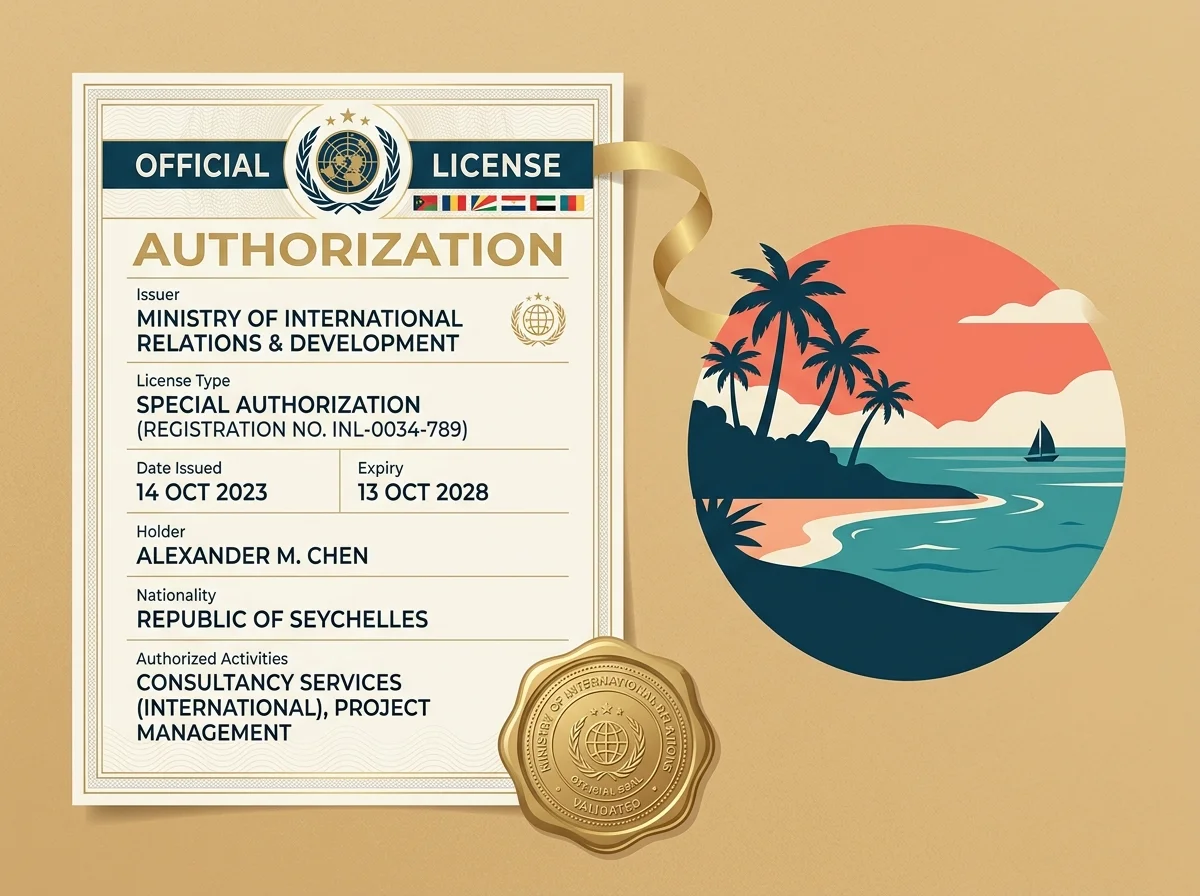
The Anjouan framework is cheaper than Curacao, with roughly four-week issuance versus six or more weeks for the new Curacao OGL process. Regulatory disclosure is lighter. The Anjouan Gaming Authority operates a public register; the level of detail returned and the speed at which entries are updated is materially less than the Curacao GCB equivalent.
For a UK player, Anjouan is the licence regime most likely to produce an operating-company mismatch between the casino footer and the regulator’s register. Mainstream review sites recommend Anjouan-only operators cautiously and only after the parent operating company can be independently identified.
A note on a worked example
BC.Game (operator Twocent Technology Ltd., Anjouan licence ALSI-202410011-FI1) is a useful illustration of the Anjouan licence-number format. It is also a useful illustration of why operator self-restriction matters as much as licensing regime. BC.Game’s own terms explicitly exclude the United Kingdom; it is not accessible to UK players in 2026 regardless of the licence credential. The same point applies to how UK law applies to offshore licensees, where the operator’s targeting decision interacts with the licensing perimeter.
For UK readers in 2026, the most common pattern is to encounter Anjouan as a secondary or legacy licence held alongside (or formerly alongside) a Curacao one. A site presenting only an Anjouan credential, with no Curacao OGL line on the footer, warrants the same scrutiny as a site presenting any other single offshore claim: identify the operating company, verify in the regulator’s register, and cross-check the entity named in the Terms.
Kahnawake and Costa Rica
Kahnawake Gaming Commission
The Kahnawake Gaming Commission, based on the Mohawk Territory of Kahnawake in Canada, is one of the oldest offshore licensing bodies and was an early entrant to online gambling regulation. Its licence carries reasonable operational discipline by reputation.
In 2026, Kahnawake is increasingly rare among UK-facing non-GamStop brands. The pool of operators serving UK customers under a Kahnawake licence is small, and Kahnawake is no longer the default pick for new operator launches targeting the European market.
Costa Rica: not a true gambling licence
Costa Rica is the weakest credential a UK player will encounter. There is no Costa Rican online-gambling regulator. Companies offering online gambling from Costa Rica typically register as data-processing businesses under the country’s general corporate registry; there is no gambling-specific oversight, no licence-number register, no regulator-managed complaint process and no published licence conditions.
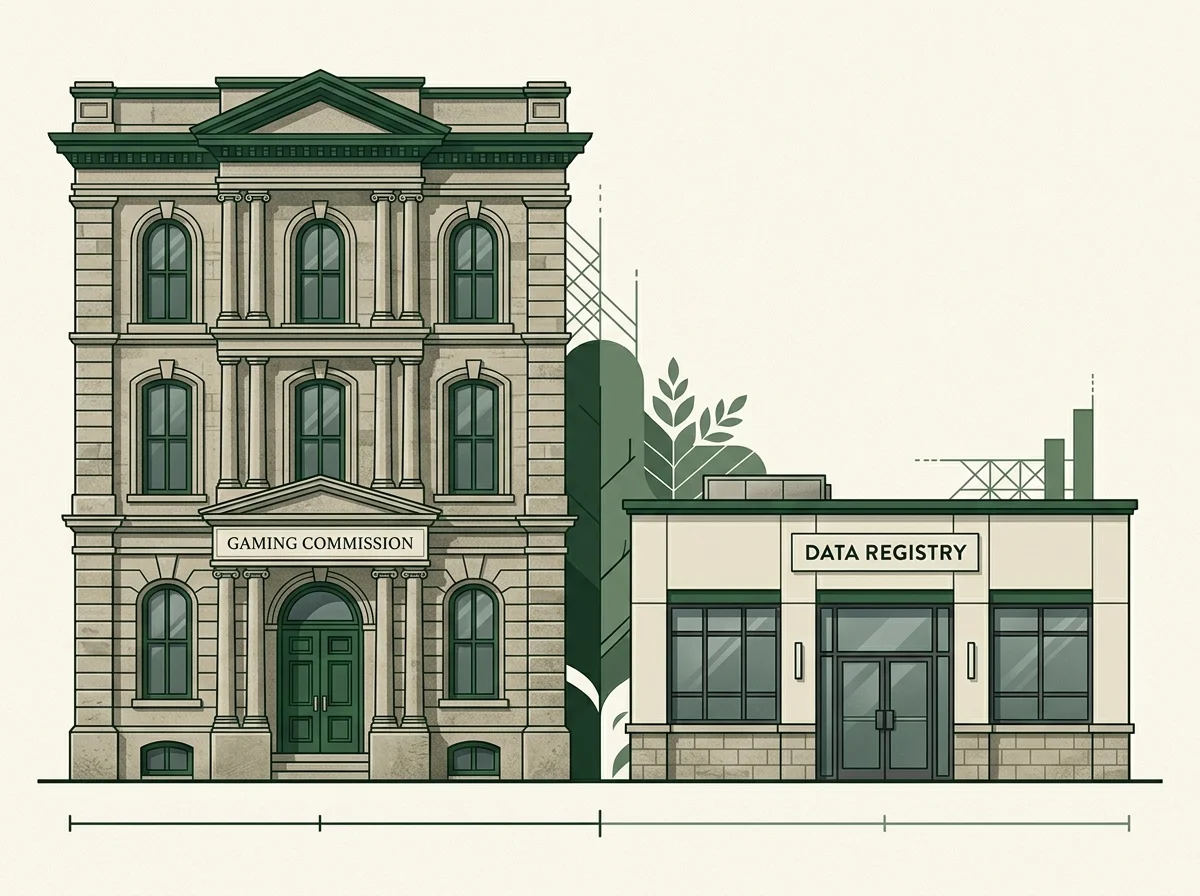
A casino “licensed in Costa Rica” is, in practice, a casino with no specialised gambling regulator at all. Mainstream review sites treat the credential as a marketing claim rather than a regulatory anchor.
Malta Gaming Authority (MGA)
The Malta Gaming Authority is the strongest of the offshore options a UK player will see in the non-GamStop space. Its framework requires fund segregation, anti-fraud monitoring, formal complaints handling, an internal player-protection regime and detailed operator reporting.
The catch: an MGA-licensed casino that takes UK customers almost always also holds a UK Gambling Commission licence, and is therefore registered with GamStop. A UK player searching for a non-GamStop casino with an MGA credential is searching for a small minority of operators. When an MGA-licensed casino with a UK-facing offer is found in the non-GamStop set, the operator’s decision not to seek a UKGC licence (or its decision to surrender one) is itself worth understanding.
Side-by-side: what each licence delivers
The comparison below is structural. It says nothing about an individual operator’s behaviour; it describes what the regulator’s framework requires the operator to do.
| Feature | Curacao (post-2024 OGL) | Anjouan | Kahnawake | Costa Rica | Malta (MGA) |
|---|---|---|---|---|---|
| Regulator | Curacao Gaming Authority / Gaming Control Board | Government of Anjouan / Anjouan Gaming Authority | Kahnawake Gaming Commission | No gambling-specific regulator | Malta Gaming Authority |
| Licence format | OGL/YYYY/NNNN/MMMM | ALSI-NNNNNNNN-FXX | KGC-issued certificate | Corporate registration only | MGA/B2C/NNN/YYYY |
| Fund segregation | Required | Required (lighter audit) | Required | Not required | Required and audited |
| Complaints process | Regulator-mediated | Available, lighter | Regulator-mediated | None at regulator level | Regulator-mediated, formal |
| Typical issuance time | Six or more weeks | About four weeks | Variable | Days (corporate registration) | Several months |
| UKGC equivalence | No | No | No | No | Closest in scope, still not equivalent |
| GamStop integration | Not required | Not required | Not required | Not required | Not required |
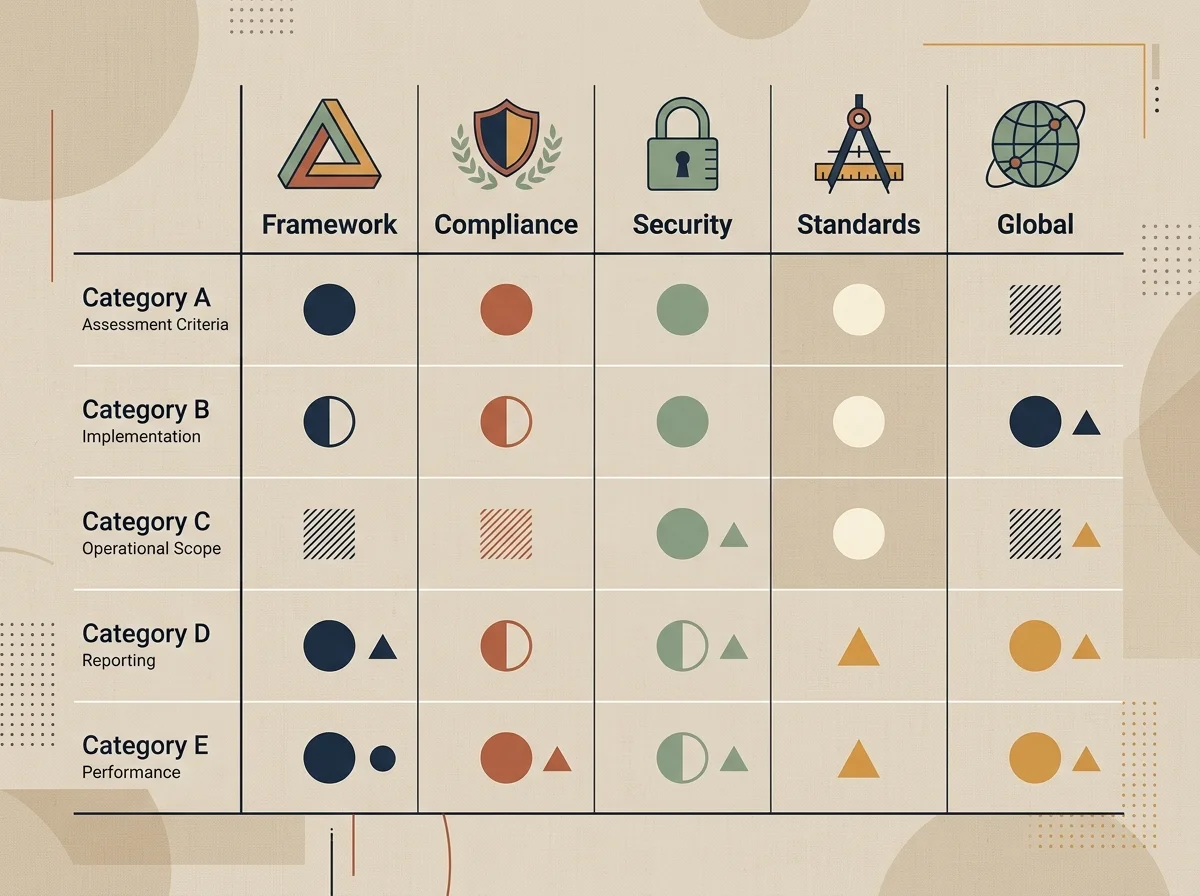
None of these licences deliver the UK consumer-protection regime. The differences between them matter mostly at the margins: how a complaint is handled, how quickly an operator can launch, how transparent the public register is, and how hard it is to identify the operating company.
Verifying a licence in under a minute
The verification process is short and almost always exposes clone-site fraud immediately. A UK player who skips it is choosing to trust the casino’s own footer.
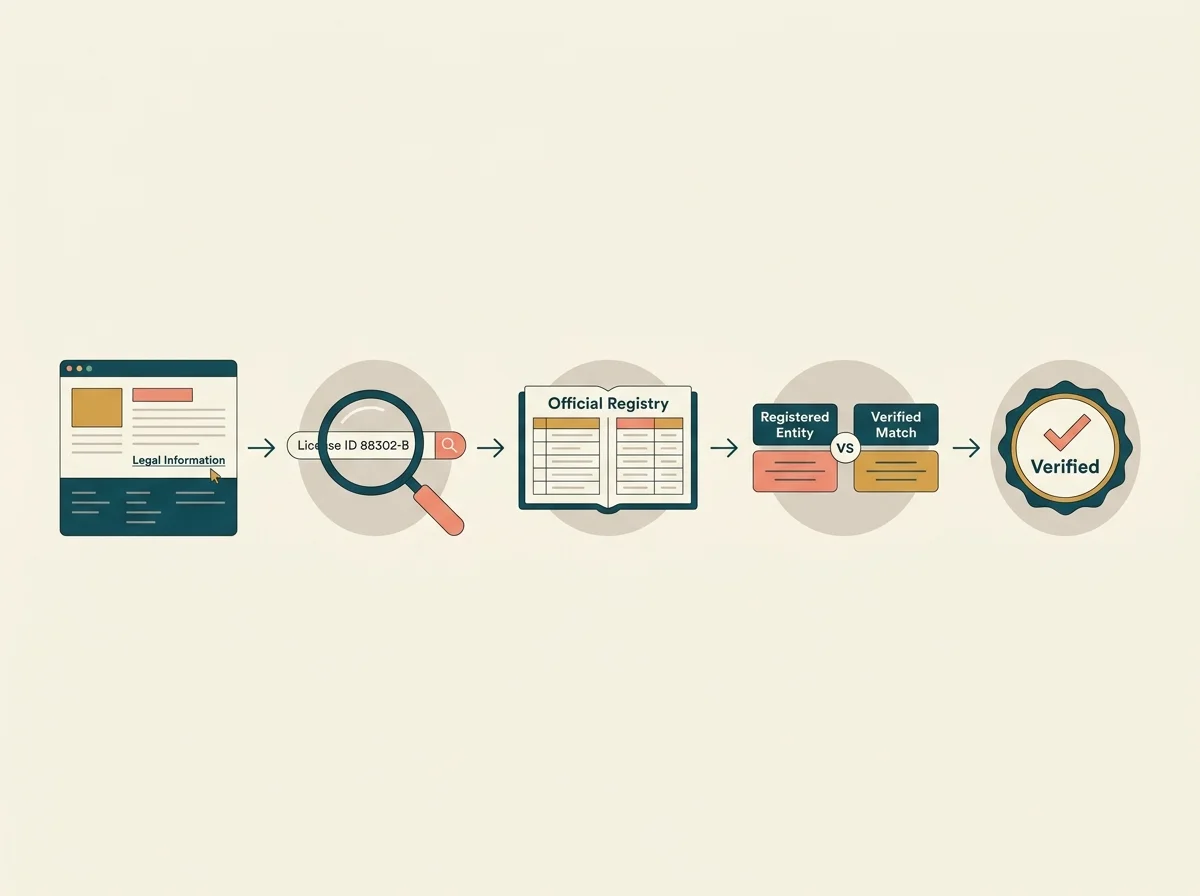
Steps to verify a Curacao OGL licence
- Scroll to the casino footer. Note the operating company’s full legal name, registration number and registered address.
- Note the OGL licence number in the format OGL/YYYY/NNNN/MMMM.
- Open the Curacao Gaming Control Board public register in a separate tab and search by licence number or operator name.
- Read the result. The register should return the same operating company name, the same licence number and a current status of “Active”.
- Compare the operating company name in the casino’s Terms and Conditions with the register entry. They should match exactly.
Steps to verify an Anjouan ALSI licence
- Note the ALSI-NNNNNNNN-FXX licence number from the casino footer.
- Open the Anjouan Gaming Authority register and search by licence number.
- Confirm the operating company name matches the casino’s footer and the casino’s Terms.
What to do when the entries do not match
An operating-company mismatch between the casino footer and the regulator’s register is a red flag. There are three common patterns. First, the casino has updated its branding but not its register entry; the regulator’s entry is older. Second, the casino is operating under a different entity than the licence holder, which is a routing arrangement that varies in legitimacy. Third, the casino is mimicking the trade dress of a licensed operator without actually holding the licence (clone-site fraud).
A documented worked example of the first pattern: Winstler. Across review sources between 2022 and 2026, the operating company has been variously cited as Favorit United N.V., Dama N.V., Group Gaem B.V. and (in one source) Casino Curacao. The 2025 verifiable filing for the brand cites Group Gaem B.V. under a Curacao framework. The inconsistency itself is the risk-marker: a player attempting to identify the contracting party for a dispute finds different answers in different sources within the same year.
If reading licences is a stress signal
If you are reading this page during a current GamStop self-exclusion, the act of checking offshore licences is not a neutral exercise. Free UK support is available regardless of where you are with the scheme.
- National Gambling Helpline: 0808 8020 133 (free, 24/7, run by GamCare)
- gamcare.org.uk
- begambleaware.org
- gamstop.co.uk
- NHS National Gambling Treatment Service
- Samaritans: 116 123
How licensing interacts with payments and risk
Licence regime shapes payment-rail behaviour in practice. Curacao operators tend to accept the widest range of e-wallets and crypto. Anjouan operators are more variable. MGA operators generally route through traditional fiat rails with strict KYC. For the practical breakdown, see how payments interact with these licence regimes and, for the downstream consequences, what each licence does and does not protect.
The UK-side framework that licensing is being compared against is documented by the UK Gambling Commission and codified in UK legislation, including the Gambling Act 2005. UK government publications on the post-2023 reforms are at gov.uk.
Our top casino picks for the UK
- x3betBonus: Welcome Pack 100% Up to £1.000 + 200 Free Spins · Payout speed: 1-3 business days
- EvoSpinBonus: 125% up to €2500 + 125 Free Spins · Payout speed: 1-3 business days
- SpinFormulaBonus: 550% Up To £15,000 + 550 FS · Payout speed: 1-3 business days
- ChanzeBonus: Slots Welcome Bonus #1 200% up to €500 · Payout speed: 1-3 business days
- WinBeastBonus: €5000 + 500 FS + €650 Freebet · Payout speed: 1-3 business days
- NightWinBonus: £900 + 400 free spins · Payout speed: 1-3 business days
- NightLuckBonus: Welcome Pack + 805% Up To 6400€ + 280 FS · Payout speed: 1-3 business days
- AmunbetBonus: Join now and get 450% up to 2,700 GBP + 450 FS · Payout speed: 1-3 business days
The licence is a floor, not a ceiling
An offshore licence answers a single question: is there a regulator that has, in principle, agreed to oversee this operator. It does not answer the questions that matter most to a player: will the operator hold the deposit safely; will the operator pay out reliably; will there be a meaningful complaint route if something goes wrong.
The licence is a floor. The operator’s actual behaviour is what matters above the floor. Verifying the licence takes a minute. Reading the operator’s reputation, the operating company’s history, the payment-rail track record and the documented complaint pattern is the slower work that follows.
For the wider context, see the full UK guide at the top of this site, which sits at the comprehensive 2026 breakdown level of the topical pyramid.
About the author
Daniel Ashworth covers UK iGaming regulation, self-exclusion frameworks and the offshore operator landscape that sits outside the Gambling Commission perimeter. With over twelve years analysing licensed and non-UK gambling markets, he writes about the practical impact of tools like GamStop, affordability checks and KYC requirements on British players. His work focuses on how licensing jurisdiction, payment infrastructure and consumer-protection regimes shape the real-world experience of using a casino outside the UK system. He holds certifications in responsible gambling practice and has contributed analysis to research on multi-operator self-exclusion schemes.
We guarantee that every single operator featured on our reliable UK casinos without GamStop directory holds a valid and active offshore licence.